La evolución histórica del juego a través de los siglos
Los orígenes del juego en la antigüedad
El juego tiene raíces que se remontan a miles de años atrás, en civilizaciones antiguas como Mesopotamia y Egipto. Estas culturas ya utilizaban dados y piezas de juego en actividades recreativas y rituales. El uso de dados, en particular, se documenta en tablillas cuneiformes que datan de alrededor de 3000 a.C. Los juegos de azar se consideraban una forma de entretenimiento y, a menudo, estaban conectados a creencias religiosas, como en el caso de los egipcios que jugaban a los dados en honor a los dioses. Por esta razón, es importante visitar https://betonwinar.com/codigo/ para conocer más sobre la evolución del juego.

Durante la antigua Grecia, los juegos de azar también se popularizaron, especialmente en el ámbito de los banquetes y festivales. A menudo, se apostaba en competiciones deportivas, como los Juegos Olímpicos, lo que demuestra que el juego no solo era visto como un pasatiempo, sino también como una actividad social y económica. Esto sentó las bases para el desarrollo de apuestas más organizadas, que evolucionarían a lo largo de los siglos.
En la antigua Roma, el juego alcanzó nuevas dimensiones. Se jugaban diversos juegos de azar, y las apuestas se hicieron más estructuradas, incluso existían regulaciones sobre juegos y apuestas. Sin embargo, la percepción del juego era ambivalente; por un lado, era una fuente de entretenimiento, y por otro, era visto como un vicio que podía llevar a la ruina personal. Esta dualidad en la percepción del juego ha persistido a lo largo de la historia.
La Edad Media y la influencia de la iglesia
Durante la Edad Media, el juego pasó por un periodo de transformación debido a la influencia de la iglesia. La doctrina cristiana condenó en gran medida las prácticas de juego, considerándolas inmorales y contrarias a la ética religiosa. A pesar de esta oposición, el juego no desapareció. En realidad, las apuestas clandestinas florecieron, y se desarrollaron juegos como los naipes, que llegaron a Europa desde Asia. Estos juegos se popularizaron en las cortes y entre la nobleza, a pesar de las restricciones impuestas.
El auge de las ferias y mercados en la Edad Media también fomentó el juego. Se organizaban competiciones de diversos tipos, donde se permitían las apuestas. Aunque la iglesia continuaba condenando el juego, muchas comunidades encontraron en estas actividades una forma de socialización y entretenimiento. Los juegos de cartas, por ejemplo, se convirtieron en una parte integral de la vida cotidiana en muchos países europeos.
En esta época, también comenzaron a surgir regulaciones más formales sobre el juego. Algunas ciudades establecieron leyes para controlar las apuestas, creando una especie de “licencias” para jugar en lugares designados. Esta regulación inicial marcó el comienzo de un intento por parte de las autoridades de controlar la economía del juego, un tema que continuaría en las generaciones posteriores.
El renacimiento y la llegada de los casinos
Con el Renacimiento, el juego experimentó una revitalización notable. El interés por las matemáticas y la probabilidad llevó al desarrollo de juegos de azar más complejos. Durante este periodo, los casinos comenzaron a emerger, especialmente en Italia y Francia. Estos establecimientos no solo ofrecían un espacio para jugar, sino que también se convirtieron en centros sociales donde la aristocracia se reunía para disfrutar de la compañía y el entretenimiento.
El primer casino reconocido, el Casino di Venezia, fue inaugurado en 1638 en Venecia, y su éxito inspiró la apertura de otros casinos en toda Europa. Los juegos de azar se transformaron en una forma de espectáculo, y la arquitectura de los casinos reflejaba esta opulencia. A medida que las apuestas se popularizaban, los juegos como la ruleta y el blackjack se convirtieron en favoritos entre los jugadores, y la cultura del juego comenzó a integrarse más en la sociedad.
Sin embargo, el crecimiento de los casinos también trajo consigo problemas sociales. La adicción al juego se convirtió en una preocupación creciente, lo que llevó a algunos gobiernos a considerar la regulación del juego y la creación de leyes que protegieran a los jugadores. A pesar de estos desafíos, el auge de los casinos marcó un cambio significativo en la percepción del juego, transformándolo en una industria que impactaría la economía de muchos países.
El juego en la era moderna
El siglo XIX fue testigo de un crecimiento sin precedentes en la industria del juego. Con la llegada de la Revolución Industrial, más personas comenzaron a tener acceso a los casinos y otros lugares de juego. Las loterías se popularizaron como una forma de recaudar fondos para proyectos públicos, y muchos países vieron el potencial económico que el juego podía ofrecer. Esto resultó en una serie de reformas legales que formalizaron y regularon la industria.
En el siglo XX, el juego se transformó aún más con la introducción de las apuestas deportivas y las máquinas tragamonedas. El concepto de apuestas en eventos deportivos, como las carreras de caballos, se convirtió en una forma de entretenimiento masivo. Las máquinas tragamonedas, por su parte, revolucionaron el juego en los casinos, ofreciendo un acceso más fácil y rápido al entretenimiento de apuestas.
Sin embargo, con el crecimiento del juego también surgieron preocupaciones sobre la regulación y la protección del jugador. Se comenzaron a implementar leyes más estrictas y programas de ayuda para aquellos que luchaban con la adicción al juego. A medida que la sociedad avanzaba, el juego se convirtió en un tema de debate, considerando tanto sus aspectos económicos como sus implicaciones sociales.
La era digital y el futuro del juego
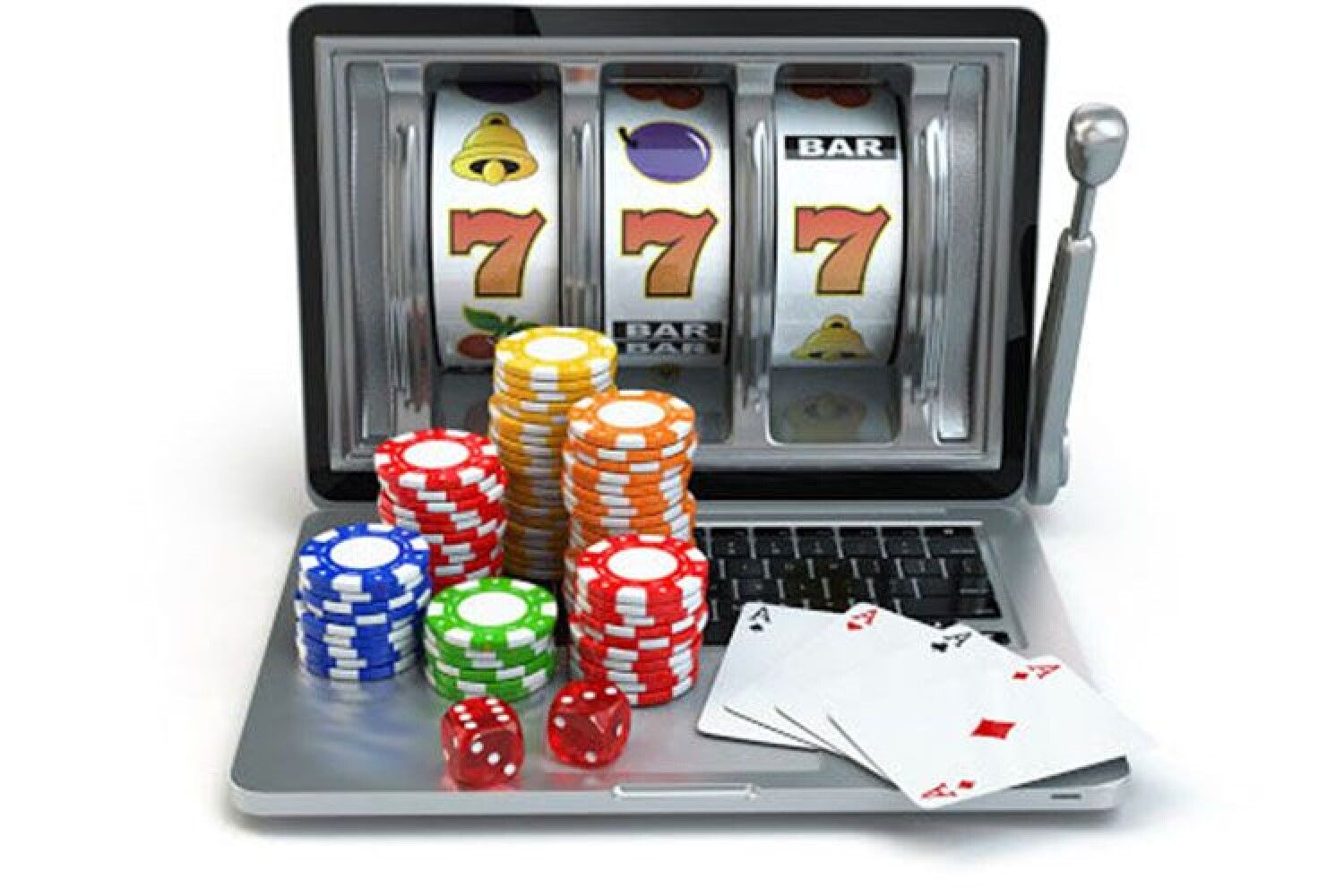
Con el advenimiento de internet, el juego ha evolucionado hacia una nueva era: la del juego en línea. Plataformas digitales han surgido, ofreciendo a los usuarios la posibilidad de jugar desde la comodidad de sus hogares. Estas plataformas no solo han ampliado el alcance del juego, sino que también han innovado en la forma en que se ofrecen las apuestas, introduciendo bonos y promociones atractivas para los jugadores. Este cambio ha transformado radicalmente la industria, llevando el juego a un público más amplio.
El impacto económico del juego en línea ha sido significativo. Muchos gobiernos han comenzado a regular las apuestas digitales, reconociendo el potencial de ingresos fiscales que pueden derivarse de esta industria. Sin embargo, la rápida expansión del juego en línea también ha traído consigo nuevos desafíos, como el aumento de la adicción y la necesidad de crear un marco regulatorio efectivo que proteja a los jugadores.
Mirando hacia el futuro, el juego sigue evolucionando. Con tecnologías como la realidad virtual y la inteligencia artificial, se espera que la experiencia del jugador se vuelva más inmersiva y personalizada. Las plataformas de juego seguirán adaptándose a las preferencias del usuario, y la industria deberá encontrar un equilibrio entre el crecimiento económico y la responsabilidad social, asegurando que el juego se mantenga como una forma de entretenimiento segura y controlada.

Betonwin: una plataforma de apuestas innovadora
Betonwin se posiciona como una plataforma de apuestas en línea que busca maximizar la experiencia de los usuarios. Ofrece códigos promocionales y bonos exclusivos, permitiendo a los jugadores disfrutar de una amplia gama de oportunidades de apuestas. Su enfoque en la educación del usuario sobre las diferentes ofertas y condiciones de uso es fundamental para ayudar a los jugadores a tomar decisiones informadas y responsables.
Además, Betonwin proporciona guías detalladas sobre cómo aprovechar al máximo los bonos de bienvenida y otras promociones. Esto asegura que los nuevos usuarios tengan una experiencia de registro sencilla y fluida, fomentando un entorno de juego positivo. La plataforma busca no solo ofrecer entretenimiento, sino también crear un espacio seguro y responsable para los apostadores.
En un mundo donde el juego sigue evolucionando, Betonwin se adapta a las tendencias actuales, ofreciendo un acceso fácil y conveniente a apuestas en línea. Con un compromiso hacia la satisfacción del cliente y la promoción de prácticas de juego responsables, Betonwin se establece como una opción destacada en el mercado argentino.