Casino Art Collections


Casino art collections introduce paintings, sculpture, installations, and decorative objects into hospitality spaces. Works may appear in entrances, corridors, restaurants, or dedicated display areas, contributing to the visual character of the property.

Placement involves more than choosing an empty wall. Lighting, viewing distance, cleaning access, and the surrounding flow of visitors all affect how an object is experienced and how easily it can be cared for.

The relationship between appearance and function is especially important in a frequently used venue. Decorative choices contribute to character, but the same materials and objects must also withstand cleaning, movement, and repeated handling. A design can remain attractive for longer when maintenance requirements are considered before the space begins operating.

Operational records support continuity between shifts and departments. A clear description of a task or an unresolved issue allows the next person to continue the work without reconstructing the entire situation. The value of such records depends on relevant details, consistent terminology, and a clear indication of who is responsible for follow-up.

There is no single arrangement that suits every destination. The age of the building, available floor area, surrounding transport, and mix of facilities all influence the choices available. A city property and a spacious resort may address similar needs through different layouts, even when they offer broadly comparable services to their visitors.

An art collection becomes part of the setting when presentation and upkeep are considered alongside the selection of individual works. Over time, changes in visitor patterns and service arrangements may call for adjustments, making regular observation a useful complement to the original design and to the procedures established when a facility first opens.

Casino Art Collections


Casino art collections introduce paintings, sculpture, installations, and decorative objects into hospitality spaces. Works may appear in entrances, corridors, restaurants, or dedicated display areas, contributing to the visual character of the property.

Placement involves more than choosing an empty wall. Lighting, viewing distance, cleaning access, and the surrounding flow of visitors all affect how an object is experienced and how easily it can be cared for.

The relationship between appearance and function is especially important in a frequently used venue. Decorative choices contribute to character, but the same materials and objects must also withstand cleaning, movement, and repeated handling. A design can remain attractive for longer when maintenance requirements are considered before the space begins operating.

Operational records support continuity between shifts and departments. A clear description of a task or an unresolved issue allows the next person to continue the work without reconstructing the entire situation. The value of such records depends on relevant details, consistent terminology, and a clear indication of who is responsible for follow-up.

There is no single arrangement that suits every destination. The age of the building, available floor area, surrounding transport, and mix of facilities all influence the choices available. A city property and a spacious resort may address similar needs through different layouts, even when they offer broadly comparable services to their visitors.

An art collection becomes part of the setting when presentation and upkeep are considered alongside the selection of individual works. Over time, changes in visitor patterns and service arrangements may call for adjustments, making regular observation a useful complement to the original design and to the procedures established when a facility first opens.

Coronavirus disease 2019

COVID-19 is a contagious disease caused by the coronavirus SARS-CoV-2. In January 2020, the disease spread worldwide, resulting in the COVID-19 pandemic.

The symptoms of COVID‑19 can vary but often include fever,[7] fatigue, cough, breathing difficulties, loss of smell, and loss of taste.[8][9][10] Symptoms may begin one to fourteen days after exposure to the virus. At least a third of people who are infected do not develop noticeable symptoms.[11][12] Of those who develop symptoms noticeable enough to be classified as patients, most (81%) develop mild to moderate symptoms (up to mild pneumonia), while 14% develop severe symptoms (dyspnea, hypoxia, or more than 50% lung involvement on imaging), and 5% develop critical symptoms (respiratory failure, shock, or multiorgan dysfunction).[13] Older people have a higher risk of developing severe symptoms. Some complications result in death. Some people continue to experience a range of effects (long COVID) for months or years after infection, and damage to organs has been observed.[14] Multi-year studies on the long-term effects are ongoing.[15]

COVID‑19 transmission occurs when infectious particles are breathed in or come into contact with the eyes, nose, or mouth. The risk is highest when people are in close proximity, but small airborne particles containing the virus can remain suspended in the air and travel over longer distances, particularly indoors. Transmission can also occur when people touch their eyes, nose, or mouth after touching surfaces or objects that have been contaminated by the virus. People remain contagious for up to 20 days and can spread the virus even if they do not develop symptoms.[16]

Testing methods for COVID-19 to detect the virus’s nucleic acid include real-time reverse transcription polymerase chain reaction (RT‑PCR),[17][18] transcription-mediated amplification,[17][18][19] and reverse transcription loop-mediated isothermal amplification (RT‑LAMP)[17][18] from a nasopharyngeal swab.[20]

Several COVID-19 vaccines have been approved and distributed in various countries, many of which have initiated mass vaccination campaigns. Other preventive measures include physical or social distancing, quarantining, ventilation of indoor spaces, use of face masks or coverings in public, covering coughs and sneezes, hand washing, and keeping unwashed hands away from the face. While drugs have been developed to inhibit the virus, the primary treatment is still symptomatic, managing the disease through supportive care, isolation, and experimental measures.

Baccarat Tables


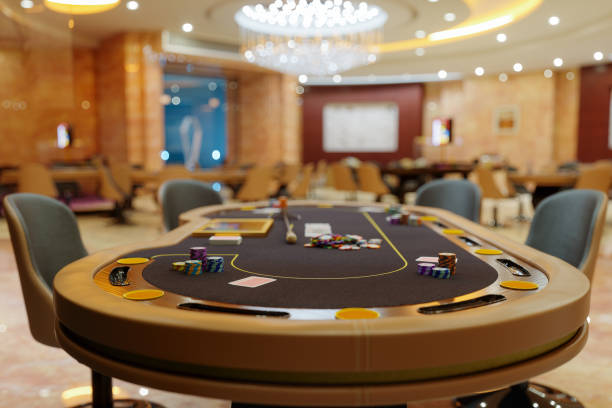
Baccarat tables are specialized gaming tables with marked areas and a layout suited to the activity. Their dimensions and seating arrangements can vary, giving different rooms flexibility in how they allocate space to the game.

The table surface, lighting, and placement of supporting equipment affect how easily participants and staff can follow what is happening. Operational preparation includes arranging supplies and ensuring that access around the table remains clear.

Within a larger property, this subject connects to services that visitors may not immediately notice. Staff schedules, delivery routes, storage areas, and cleaning routines all influence how a public space operates. Coordination between these activities helps the visible part of the venue remain consistent during both quiet hours and periods of heavier use.

The size of a property influences how responsibilities are divided. A smaller venue may use a compact team across several functions, while a larger complex can support specialized departments. In either case, visitors encounter the combined result, so communication between the people delivering different services remains an important practical concern.

Temporary conditions can reveal details that are less noticeable during routine operation. A busy performance, a maintenance closure, or a change in weather may alter how people use the building. Reviewing these situations helps teams prepare practical alternatives and keep their explanations consistent when the normal arrangement is unavailable.

As with other table settings, its practical design must fit the surrounding room as well as the procedures of the activity. Its role becomes clearer when viewed alongside the rest of the building, including the routes, services, and staff activities that connect the individual area with the wider experience of visiting an entertainment property.

Baccarat Tables


Baccarat tables are specialized gaming tables with marked areas and a layout suited to the activity. Their dimensions and seating arrangements can vary, giving different rooms flexibility in how they allocate space to the game.

The table surface, lighting, and placement of supporting equipment affect how easily participants and staff can follow what is happening. Operational preparation includes arranging supplies and ensuring that access around the table remains clear.

Within a larger property, this subject connects to services that visitors may not immediately notice. Staff schedules, delivery routes, storage areas, and cleaning routines all influence how a public space operates. Coordination between these activities helps the visible part of the venue remain consistent during both quiet hours and periods of heavier use.

The size of a property influences how responsibilities are divided. A smaller venue may use a compact team across several functions, while a larger complex can support specialized departments. In either case, visitors encounter the combined result, so communication between the people delivering different services remains an important practical concern.

Temporary conditions can reveal details that are less noticeable during routine operation. A busy performance, a maintenance closure, or a change in weather may alter how people use the building. Reviewing these situations helps teams prepare practical alternatives and keep their explanations consistent when the normal arrangement is unavailable.

As with other table settings, its practical design must fit the surrounding room as well as the procedures of the activity. Its role becomes clearer when viewed alongside the rest of the building, including the routes, services, and staff activities that connect the individual area with the wider experience of visiting an entertainment property.

Casino Theatres


Casino theatres are performance venues located within casino properties or associated entertainment complexes. Their programs may include concerts, comedy, stage productions, or other scheduled events that attract audiences independently of the gaming facilities nearby.

A theatre requires attention to stage visibility, audience seating, backstage access, and the movement of people before and after a show. Its daily operating rhythm can differ considerably from the continuous activity of an adjacent gaming room.

Public entertainment properties bring together people with different expectations and levels of familiarity with the building. Some visitors follow a planned schedule, while others explore the available facilities. Clear information and recognizable service points help both groups make practical decisions without needing to understand the internal organization of the property.

Information should be presented in a form that suits its audience. Visitors usually need a concise explanation of where to go or what is available, while staff may require more detailed instructions. Keeping these purposes distinct helps avoid crowded signs and makes internal procedures easier to maintain when arrangements change.

The most informative assessment considers the entire journey through the property. A comfortable room can still be difficult to use if it is poorly signposted, and a clear entrance can lead to confusing internal routes. Looking at these connections gives a fuller picture than judging individual features entirely in isolation.

Coordinating performances with the surrounding property helps the theatre retain its own identity without creating confusion for arriving audiences. The details may differ between properties, but examining how people use the space provides a consistent way to understand its purpose and identify the everyday connections that support the complete visitor experience.

Casino Theatres


Casino theatres are performance venues located within casino properties or associated entertainment complexes. Their programs may include concerts, comedy, stage productions, or other scheduled events that attract audiences independently of the gaming facilities nearby.

A theatre requires attention to stage visibility, audience seating, backstage access, and the movement of people before and after a show. Its daily operating rhythm can differ considerably from the continuous activity of an adjacent gaming room.

Public entertainment properties bring together people with different expectations and levels of familiarity with the building. Some visitors follow a planned schedule, while others explore the available facilities. Clear information and recognizable service points help both groups make practical decisions without needing to understand the internal organization of the property.

Information should be presented in a form that suits its audience. Visitors usually need a concise explanation of where to go or what is available, while staff may require more detailed instructions. Keeping these purposes distinct helps avoid crowded signs and makes internal procedures easier to maintain when arrangements change.

The most informative assessment considers the entire journey through the property. A comfortable room can still be difficult to use if it is poorly signposted, and a clear entrance can lead to confusing internal routes. Looking at these connections gives a fuller picture than judging individual features entirely in isolation.

Coordinating performances with the surrounding property helps the theatre retain its own identity without creating confusion for arriving audiences. The details may differ between properties, but examining how people use the space provides a consistent way to understand its purpose and identify the everyday connections that support the complete visitor experience.

Casino Theatres


Casino theatres are performance venues located within casino properties or associated entertainment complexes. Their programs may include concerts, comedy, stage productions, or other scheduled events that attract audiences independently of the gaming facilities nearby.

A theatre requires attention to stage visibility, audience seating, backstage access, and the movement of people before and after a show. Its daily operating rhythm can differ considerably from the continuous activity of an adjacent gaming room.

Public entertainment properties bring together people with different expectations and levels of familiarity with the building. Some visitors follow a planned schedule, while others explore the available facilities. Clear information and recognizable service points help both groups make practical decisions without needing to understand the internal organization of the property.

Information should be presented in a form that suits its audience. Visitors usually need a concise explanation of where to go or what is available, while staff may require more detailed instructions. Keeping these purposes distinct helps avoid crowded signs and makes internal procedures easier to maintain when arrangements change.

The most informative assessment considers the entire journey through the property. A comfortable room can still be difficult to use if it is poorly signposted, and a clear entrance can lead to confusing internal routes. Looking at these connections gives a fuller picture than judging individual features entirely in isolation.

Coordinating performances with the surrounding property helps the theatre retain its own identity without creating confusion for arriving audiences. The details may differ between properties, but examining how people use the space provides a consistent way to understand its purpose and identify the everyday connections that support the complete visitor experience.

Casino Theatres


Casino theatres are performance venues located within casino properties or associated entertainment complexes. Their programs may include concerts, comedy, stage productions, or other scheduled events that attract audiences independently of the gaming facilities nearby.

A theatre requires attention to stage visibility, audience seating, backstage access, and the movement of people before and after a show. Its daily operating rhythm can differ considerably from the continuous activity of an adjacent gaming room.

Public entertainment properties bring together people with different expectations and levels of familiarity with the building. Some visitors follow a planned schedule, while others explore the available facilities. Clear information and recognizable service points help both groups make practical decisions without needing to understand the internal organization of the property.

Information should be presented in a form that suits its audience. Visitors usually need a concise explanation of where to go or what is available, while staff may require more detailed instructions. Keeping these purposes distinct helps avoid crowded signs and makes internal procedures easier to maintain when arrangements change.

The most informative assessment considers the entire journey through the property. A comfortable room can still be difficult to use if it is poorly signposted, and a clear entrance can lead to confusing internal routes. Looking at these connections gives a fuller picture than judging individual features entirely in isolation.

Coordinating performances with the surrounding property helps the theatre retain its own identity without creating confusion for arriving audiences. The details may differ between properties, but examining how people use the space provides a consistent way to understand its purpose and identify the everyday connections that support the complete visitor experience.

Casino Theatres


Casino theatres are performance venues located within casino properties or associated entertainment complexes. Their programs may include concerts, comedy, stage productions, or other scheduled events that attract audiences independently of the gaming facilities nearby.

A theatre requires attention to stage visibility, audience seating, backstage access, and the movement of people before and after a show. Its daily operating rhythm can differ considerably from the continuous activity of an adjacent gaming room.

Public entertainment properties bring together people with different expectations and levels of familiarity with the building. Some visitors follow a planned schedule, while others explore the available facilities. Clear information and recognizable service points help both groups make practical decisions without needing to understand the internal organization of the property.

Information should be presented in a form that suits its audience. Visitors usually need a concise explanation of where to go or what is available, while staff may require more detailed instructions. Keeping these purposes distinct helps avoid crowded signs and makes internal procedures easier to maintain when arrangements change.

The most informative assessment considers the entire journey through the property. A comfortable room can still be difficult to use if it is poorly signposted, and a clear entrance can lead to confusing internal routes. Looking at these connections gives a fuller picture than judging individual features entirely in isolation.

Coordinating performances with the surrounding property helps the theatre retain its own identity without creating confusion for arriving audiences. The details may differ between properties, but examining how people use the space provides a consistent way to understand its purpose and identify the everyday connections that support the complete visitor experience.